ALY BEN SALEM (1910-2001)



Pioneer painter — between Tunisian tradition and openness to the world
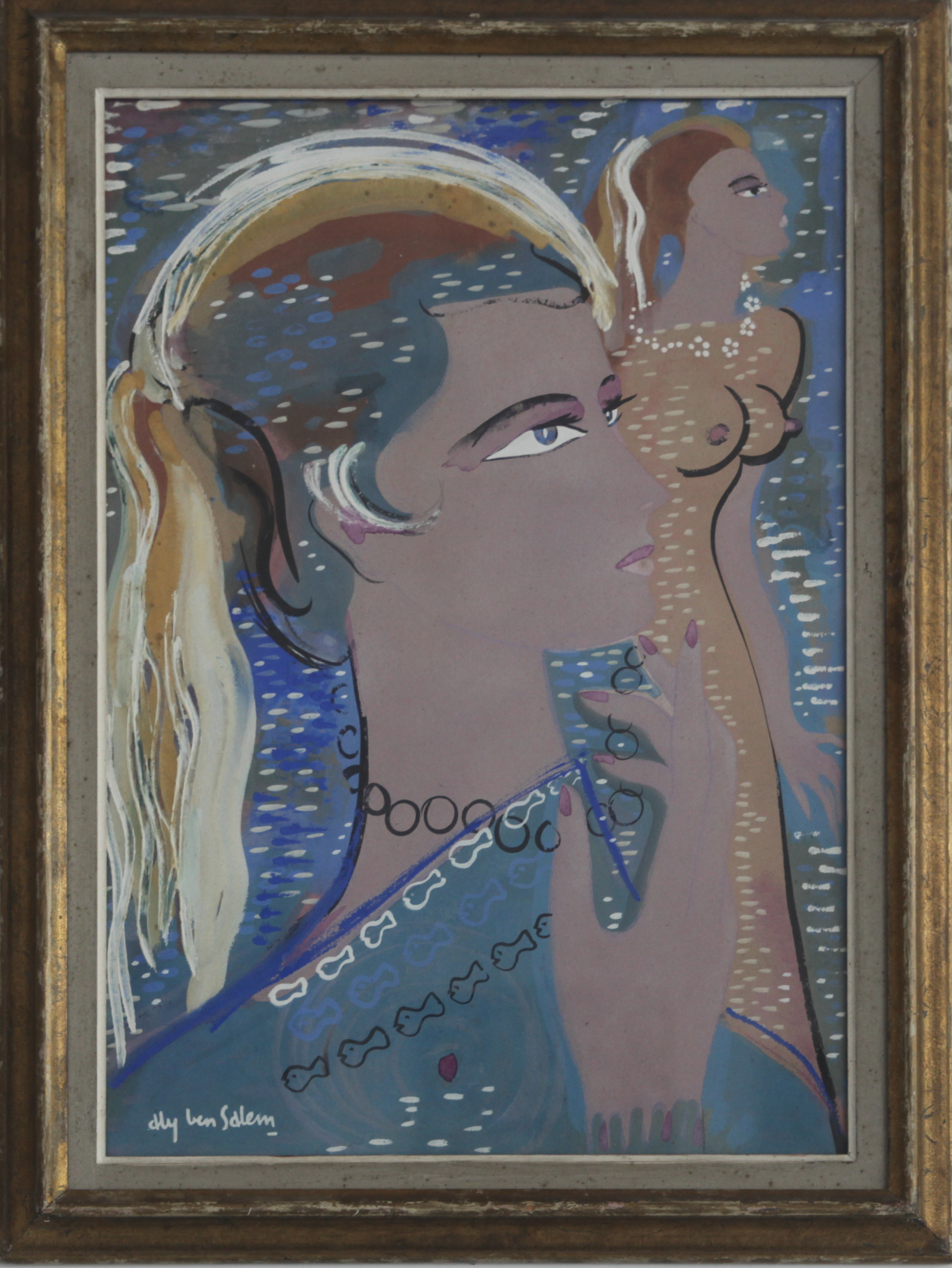
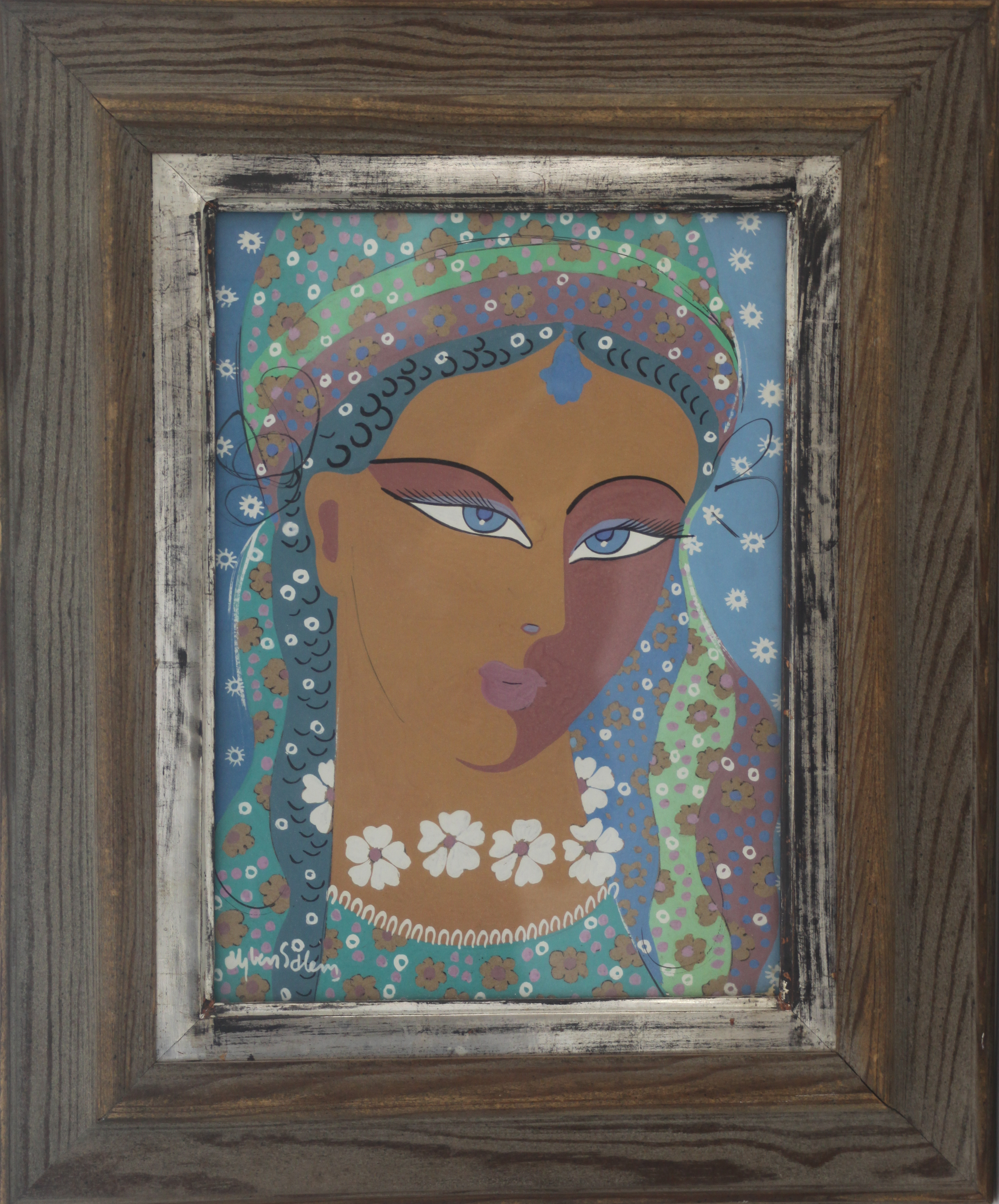
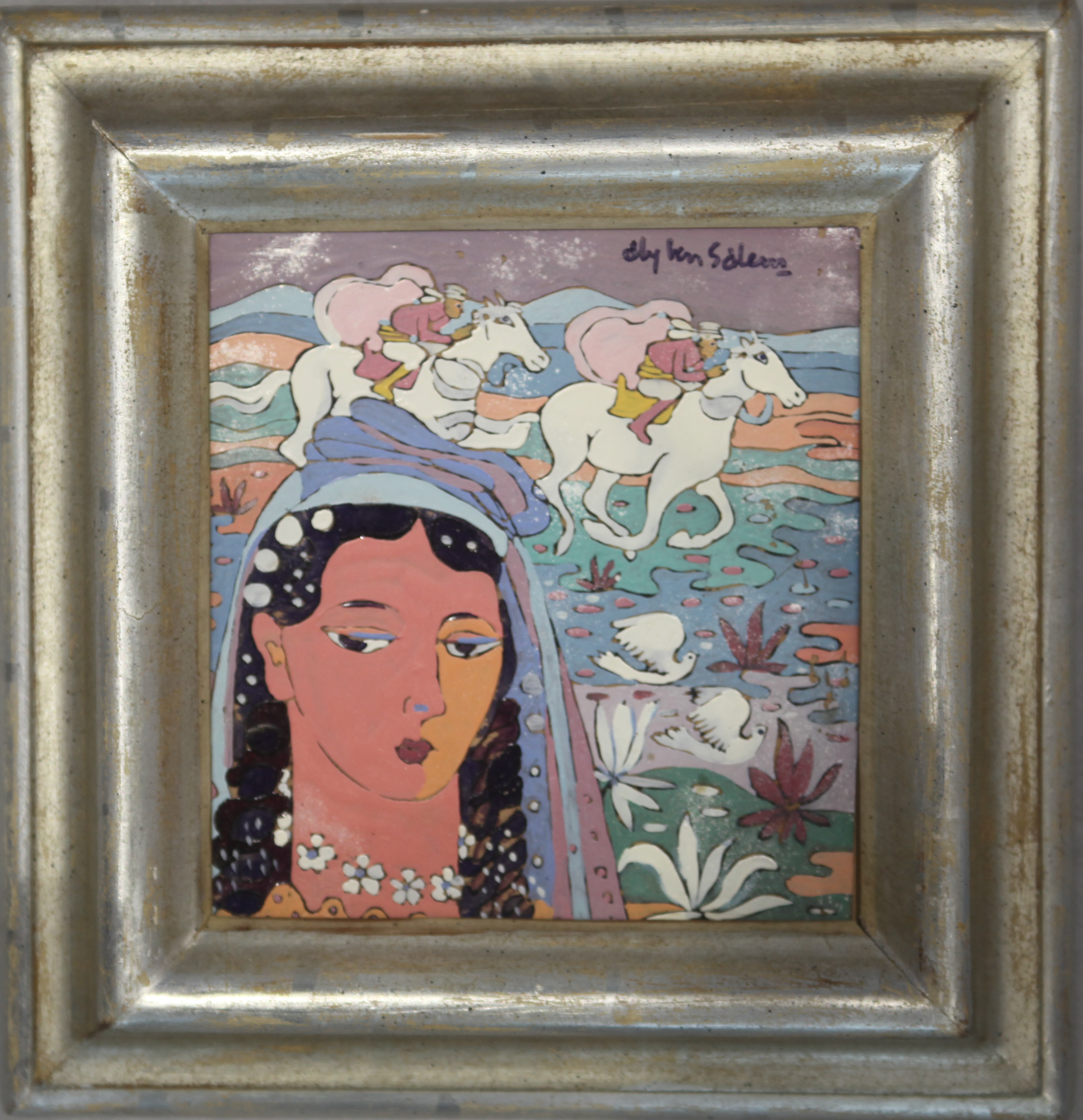
A prominent member of the pioneer generation of Tunisian painting, Aly Ben Salem trained at the Lycée Carnot before joining, in the 1930s, the École des Beaux-Arts de Tunis — at a time when very few Tunisians attended this institution. A student of the painter Armand Vergeaud, he distinguished himself very early by his attachment to the traditions of his country, which he translated into meticulous canvases, close to the art of the miniature in the precision of the characters and objects represented.
In 1934, he organized his first solo exhibition at the Rotonde du Colisée in Tunis. Two years later, he obtained the First Prize for Painting from the Tunisian Government as well as the First Prize for Miniature of North Africa. This recognition opened the doors for him to a trip to Paris, where he discovered the major schools of painting and enriched himself with the study of European masters.
A prominent member of the pioneer generation of Tunisian painting, Aly Ben Salem trained at the Lycée Carnot before joining, in the 1930s, the École des Beaux-Arts de Tunis — at a time when very few Tunisians attended this institution. A student of the painter Armand Vergeaud, he distinguished himself very early by his attachment to the traditions of his country, which he translated into meticulous canvases, close to the art of the miniature in the precision of the characters and objects represented.
In 1934, he organized his first solo exhibition at the Rotonde du Colisée in Tunis. Two years later, he obtained the First Prize for Painting from the Tunisian Government as well as the First Prize for Miniature of North Africa. This recognition opened the doors for him to a trip to Paris, where he discovered the major schools of painting and enriched himself with the study of European masters.
In 1937, he was appointed official decorator for the Tunisian Government for the Paris International Exhibition. He also collaborated with the Musée de l'Homme, within the department dedicated to White Africa. The same year, he exhibited at the galerie de l’Union latine, quai des Grands-Augustins, before presenting his work in 1939 in Stockholm, at the Institut français and the Museum of Ethnography.
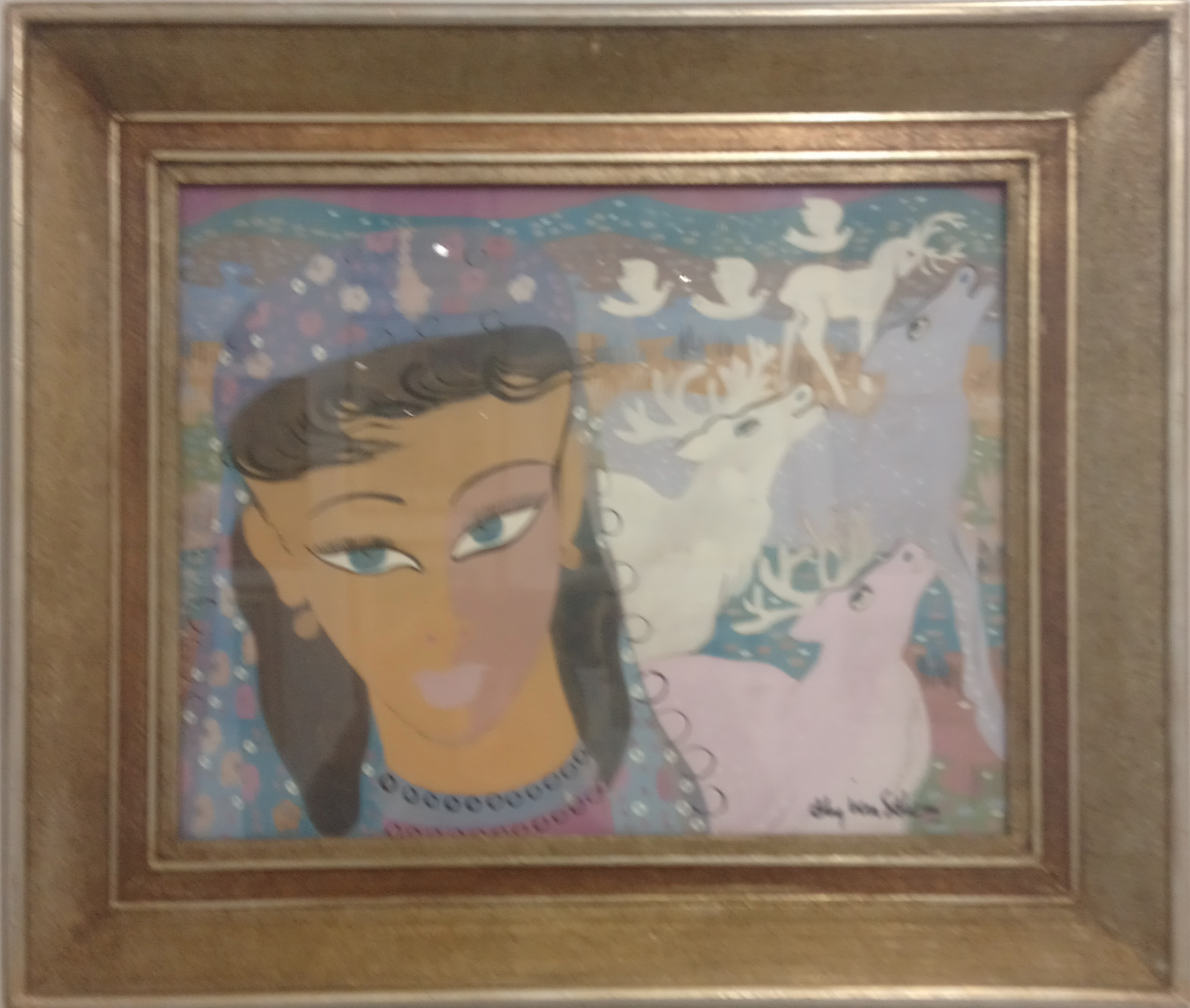
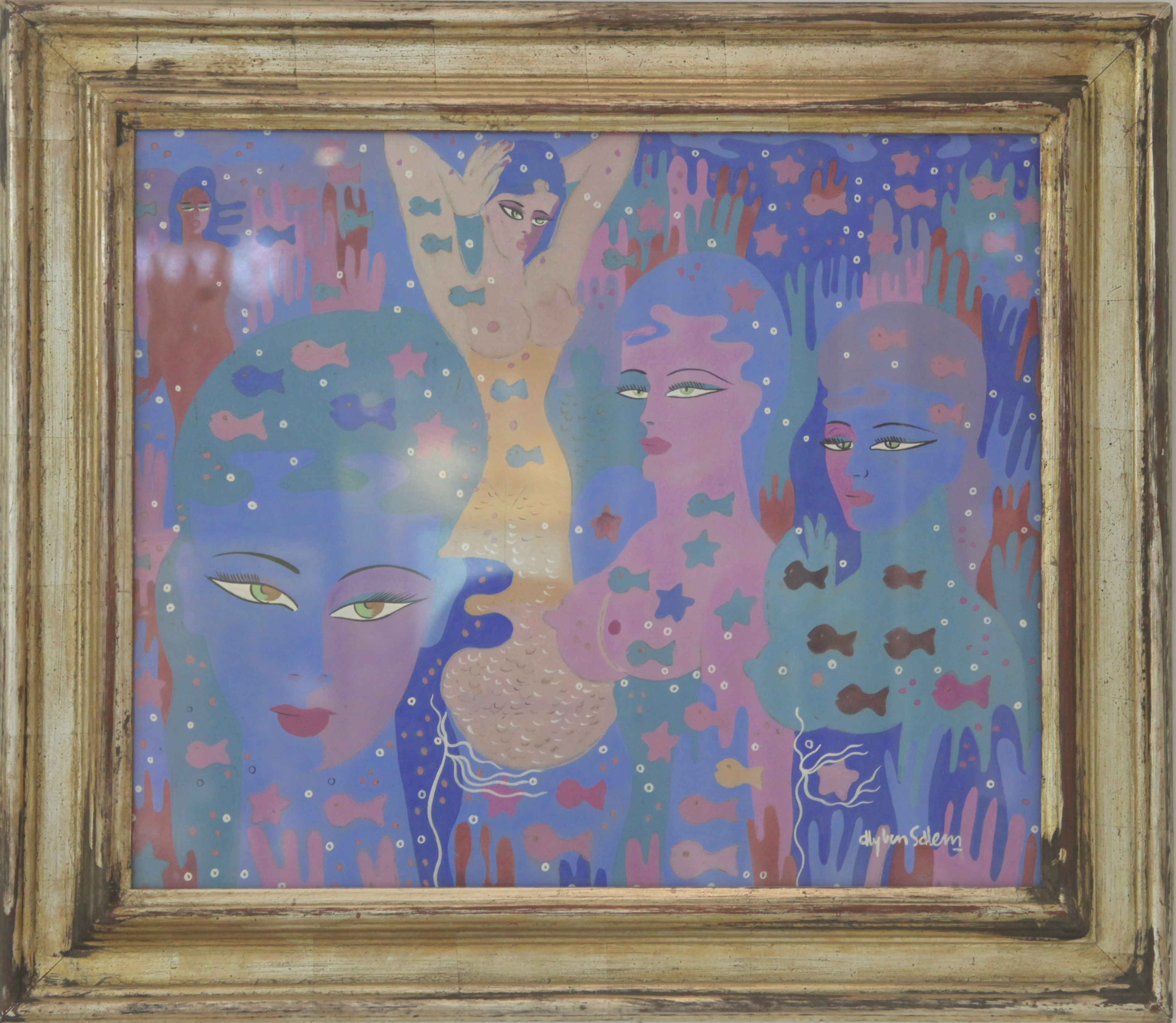
Through his work, Aly Ben Salem managed to combine the decorative finesse inherited from traditional Tunisian arts with a curious openness to international artistic movements, thus asserting a pictorial identity that is both rooted and universal.
Through his work, Aly Ben Salem managed to combine the decorative finesse inherited from traditional Tunisian arts with a curious openness to international artistic movements, thus asserting a pictorial identity that is both rooted and universal.
Exhibitions